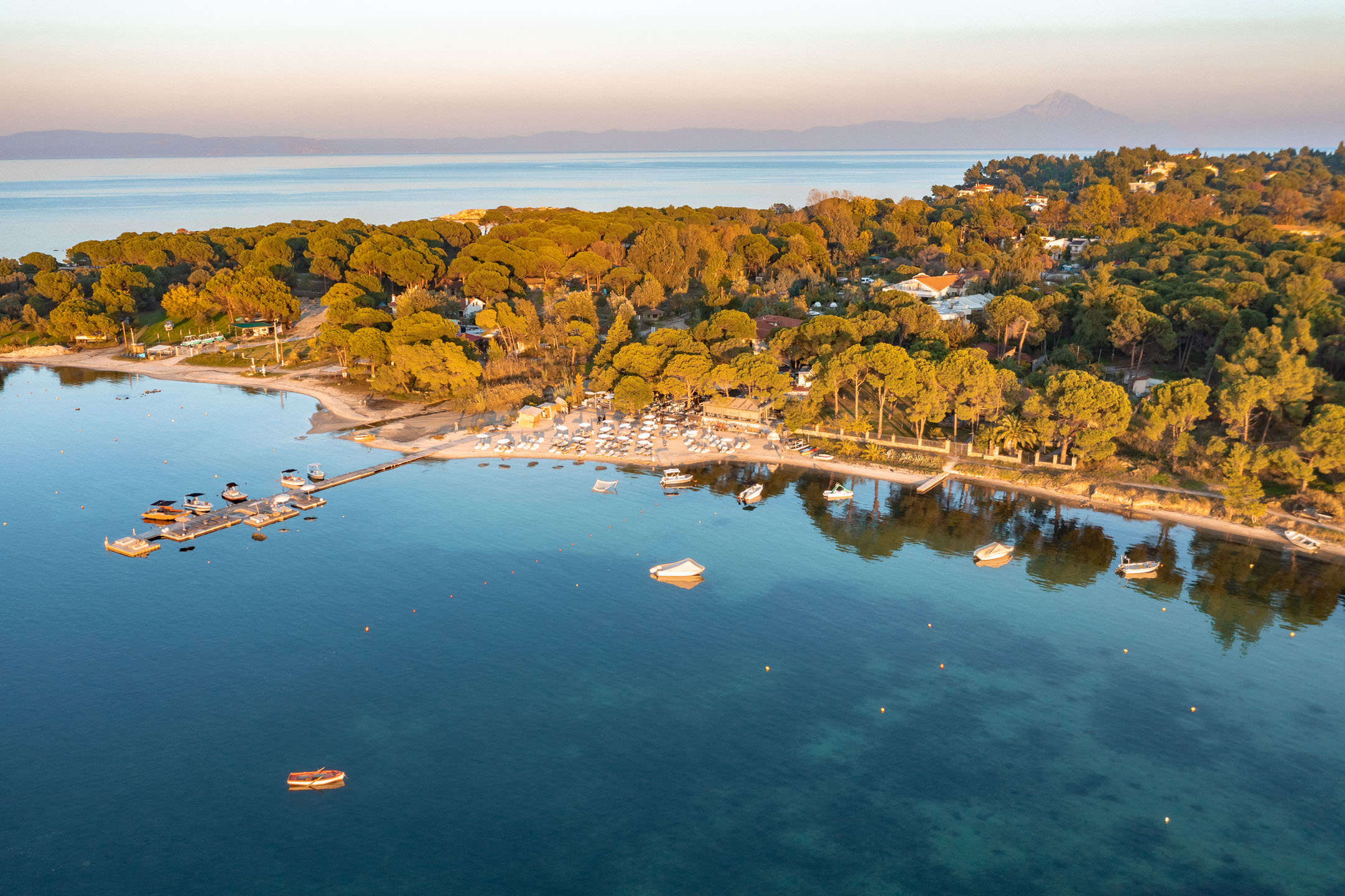
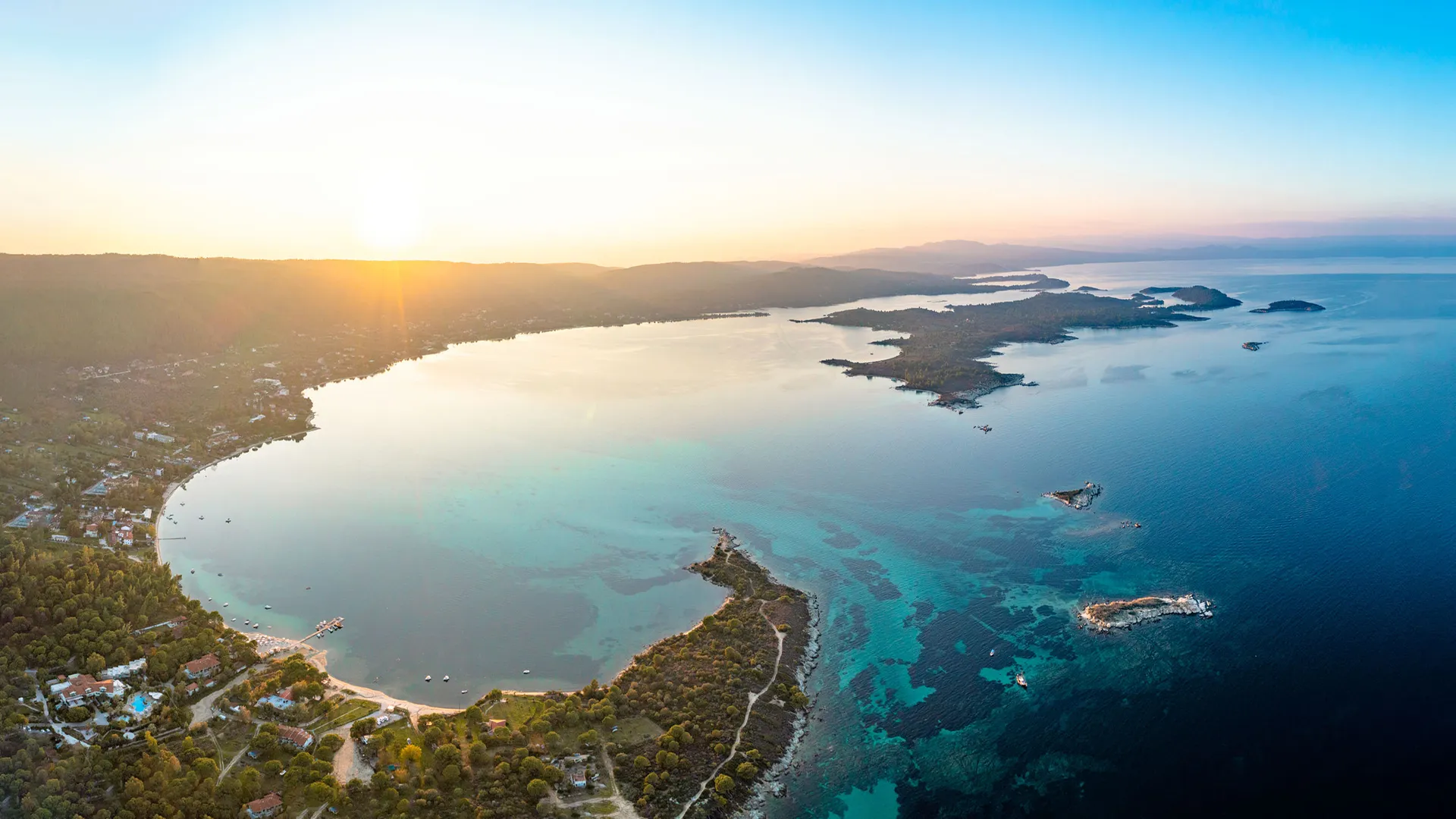
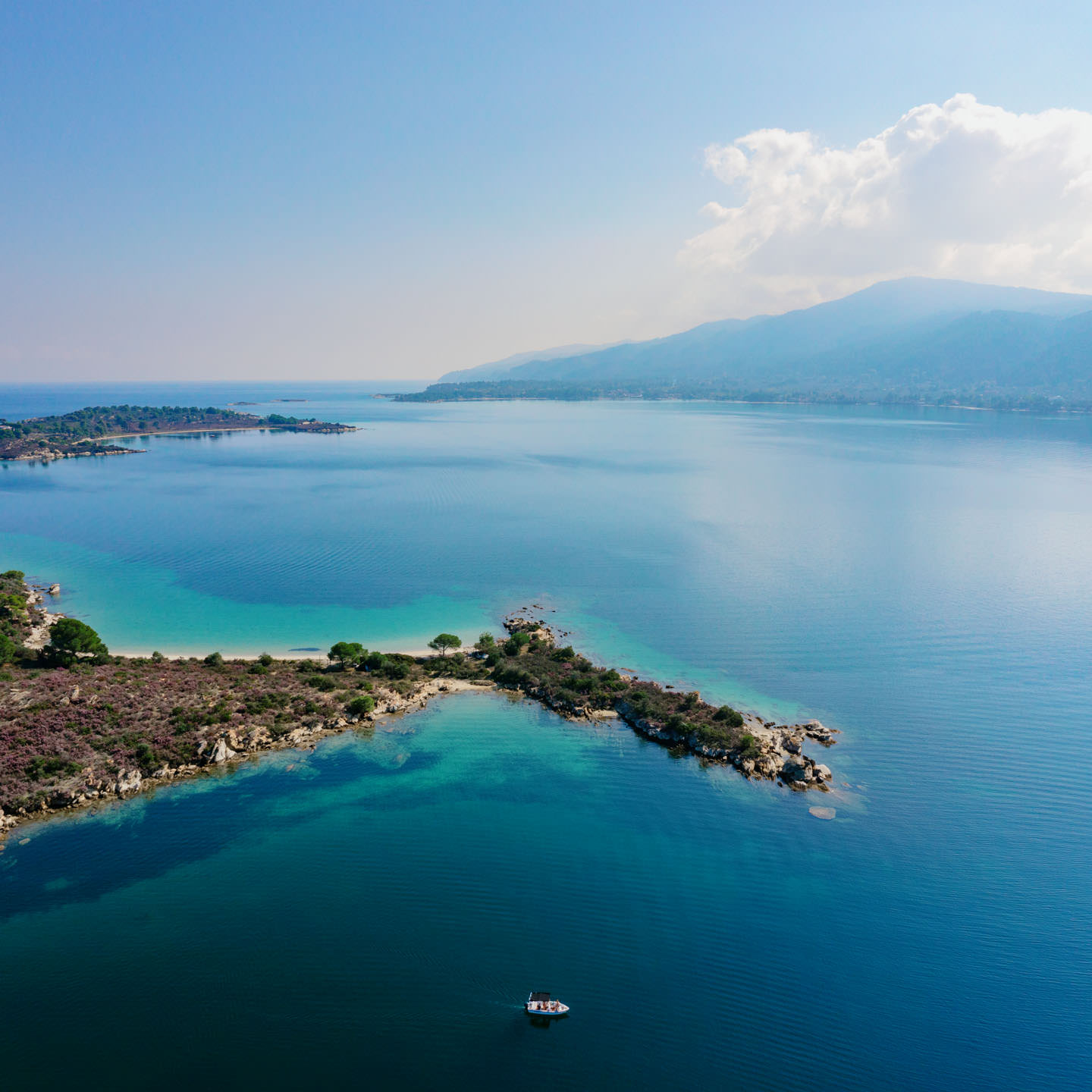
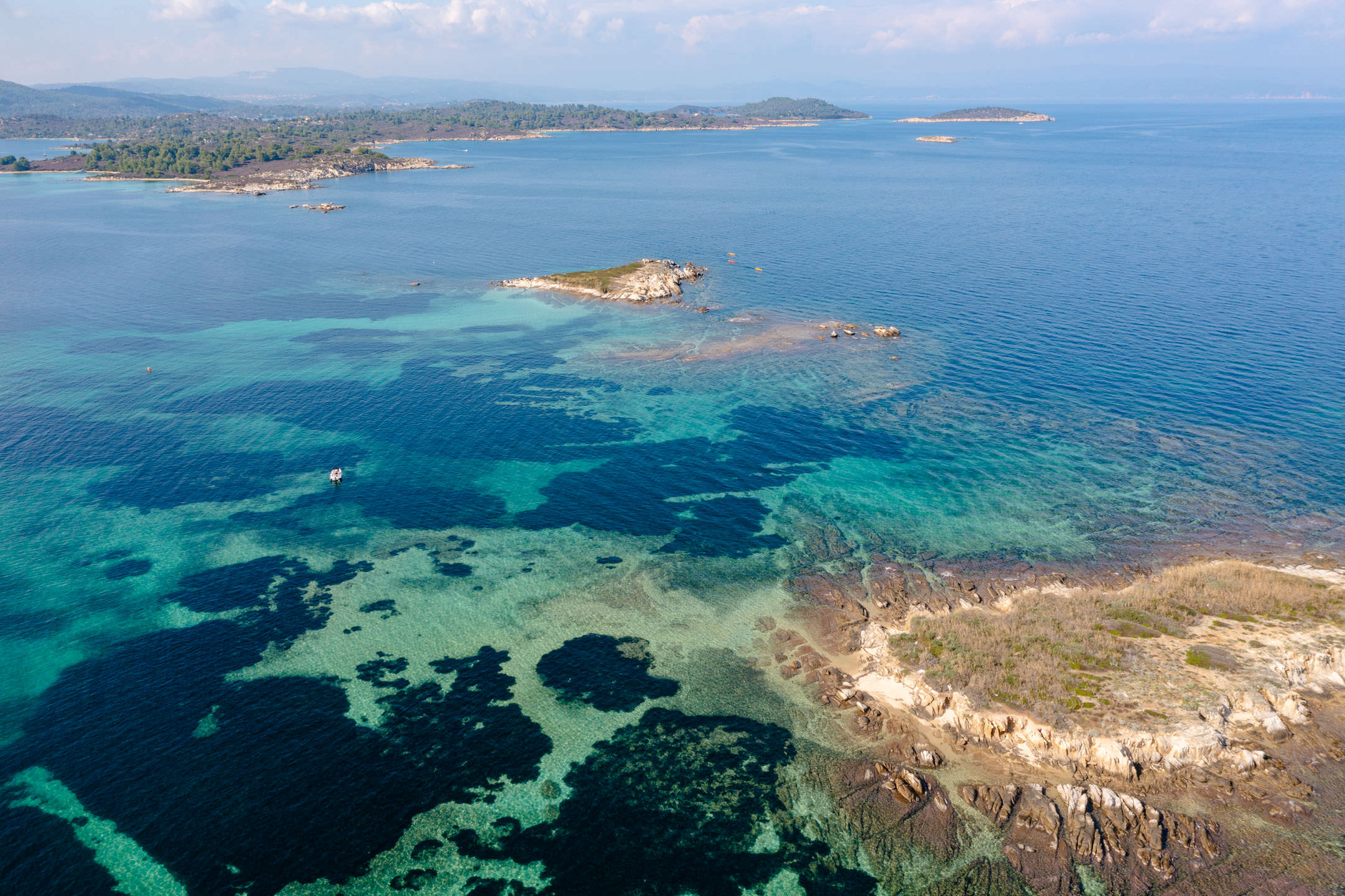
Vourvourou is a small fishing village around rocky coves, where scattered bars and seafood taverns cater to summer resort guests. Sheltered, shallow-water beaches include Karidi and Xifara, while boat rentals offer easy access to swimming and diving spots off nearby unihabited islands. Hiking trails lead through inland pine forest and up the slopes of Mt. Itamos for sweeping views over the village and gulf.

Location
Vourvourou Bay
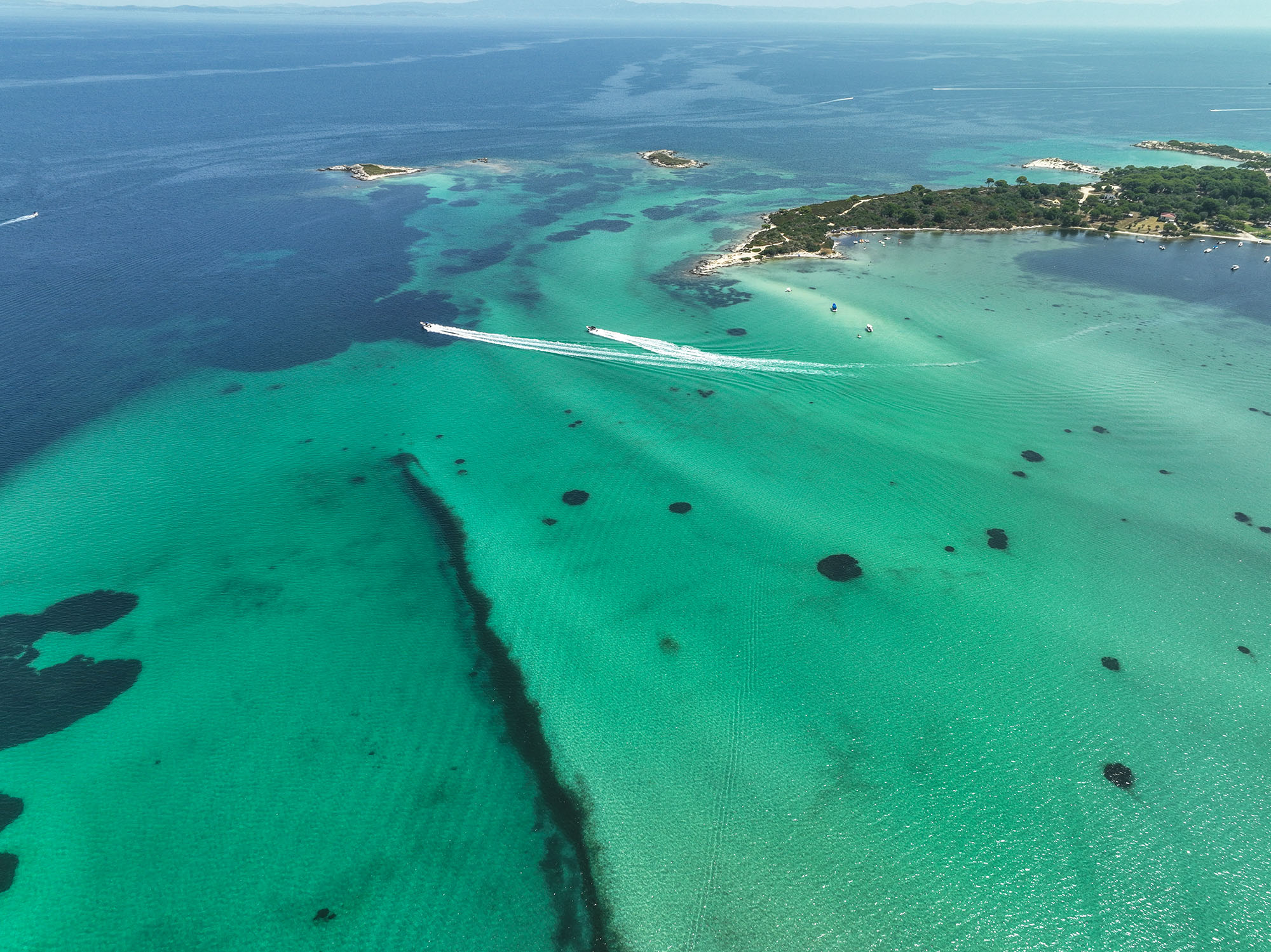
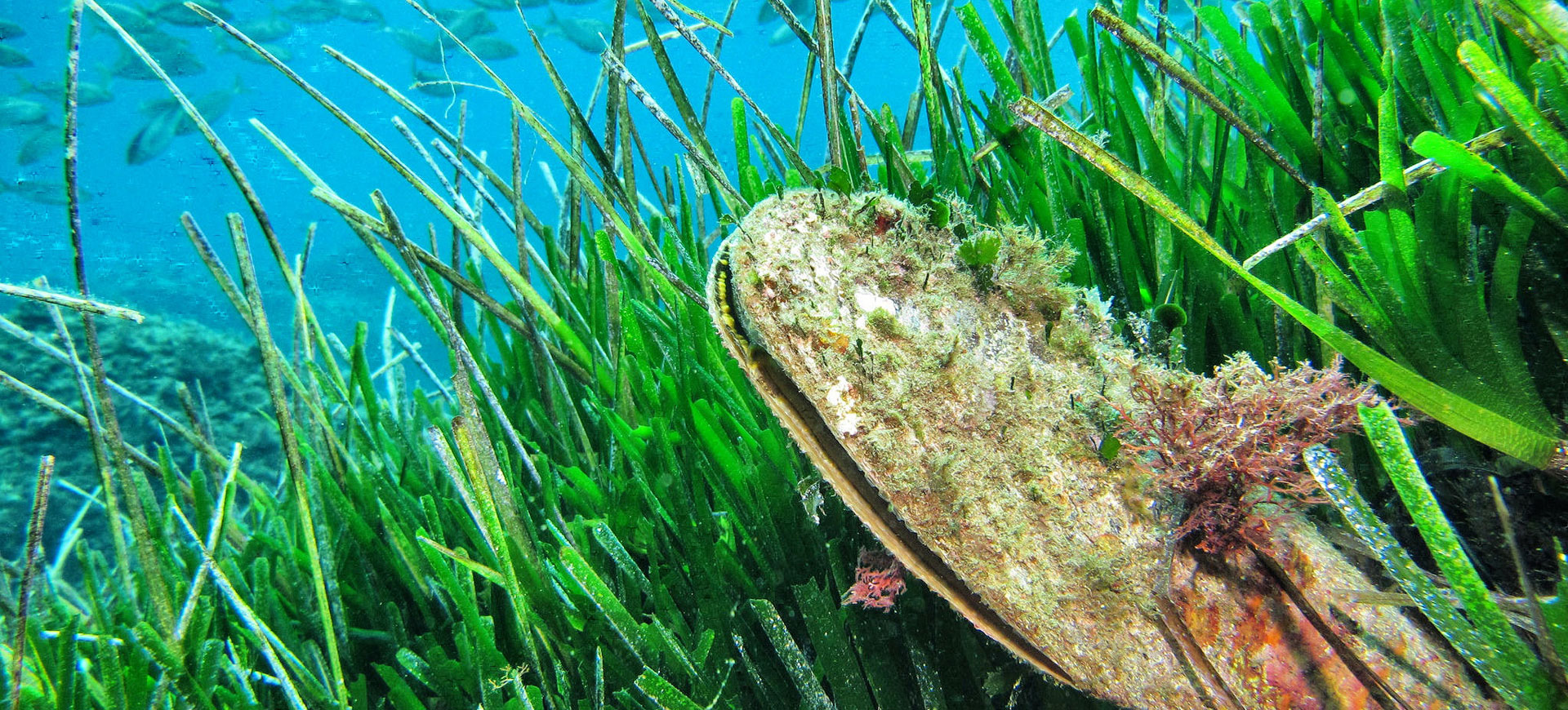
Posidonia oceanica, commonly known as Nepture grass or Mediterranean tapeweed, is a seagrass species that is endemic to the Mediterranean Sea. It forms large underwater meadows that are an important part of the ecosystem. The fruit is free floating and known in Italy as “the olive of the sea” (l’oliva di mare). Balls of fibrous material from its foliage, known as egagropili of Nepture balls, wash up to nearby shorelines.

Mount Itamos (Dragounteli)
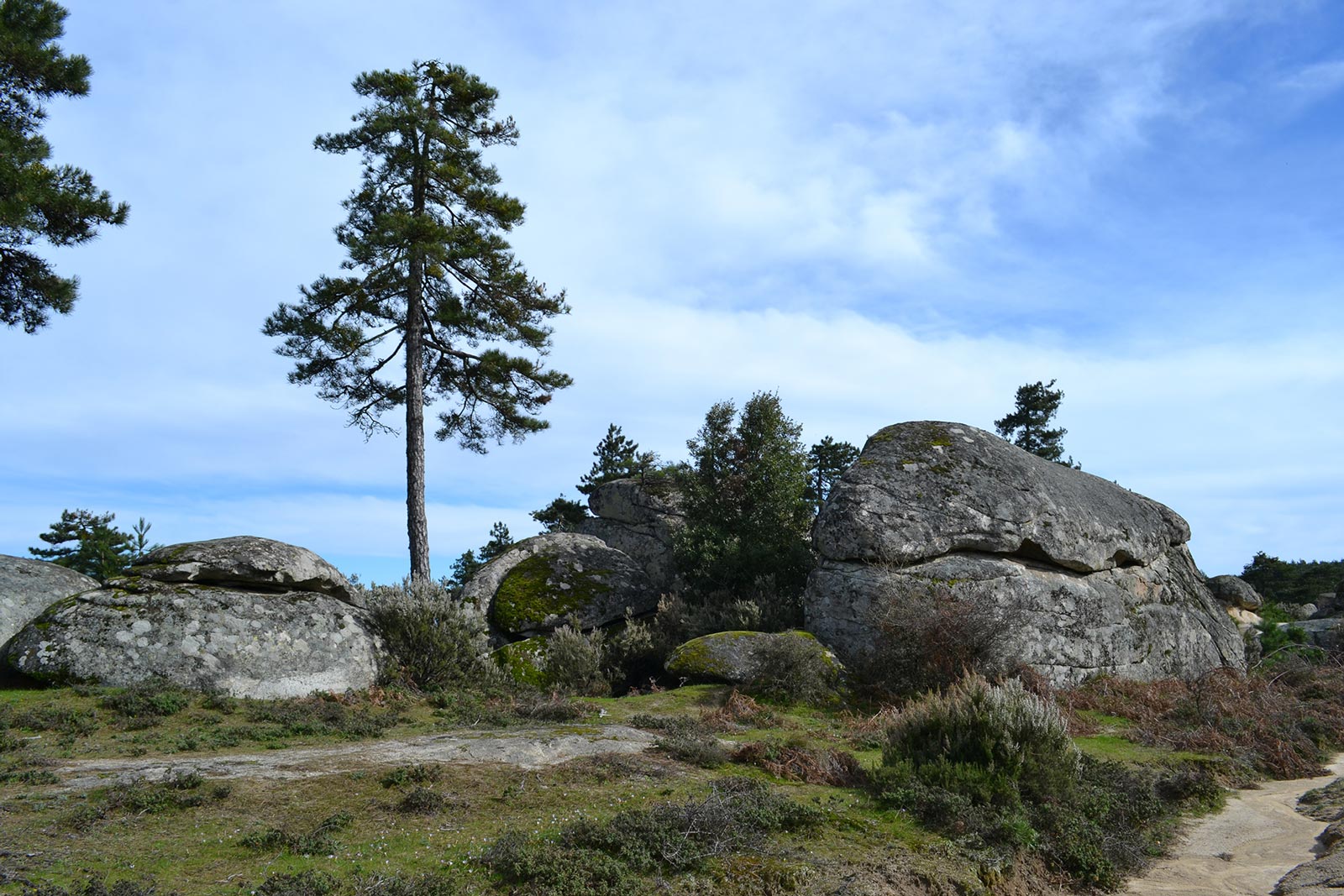
The mountain range of Itamos, reaching an altitude of 811 meters, or Dragounteli—as the locals call it—is the largest mountain in Sithonia. In the central forest zone, near the peak, there are several rare and ancient yew trees (Taxus baccata), from which the mountain took its name.
In the central forest zone, near the peak, you will find these rare and ancient yews (a rare variety of evergreen), which gave the mountain its name. The oldest of these is 2,000 years old. You can reach the summit by car via the settlement of Parthenon. Within the forest, there are trails ideal for hiking and mountain biking. From the top, you will enjoy an unobstructed and enchanting view of Sithonia, Kassandra, and Mount Athos.
The slopes of Itamos are covered with various species of conifers. It is a protected area with significant flora and fauna; various species of wolves, foxes, hares, and wild boars inhabit the forest. Locals also believe that there are deer in the area.
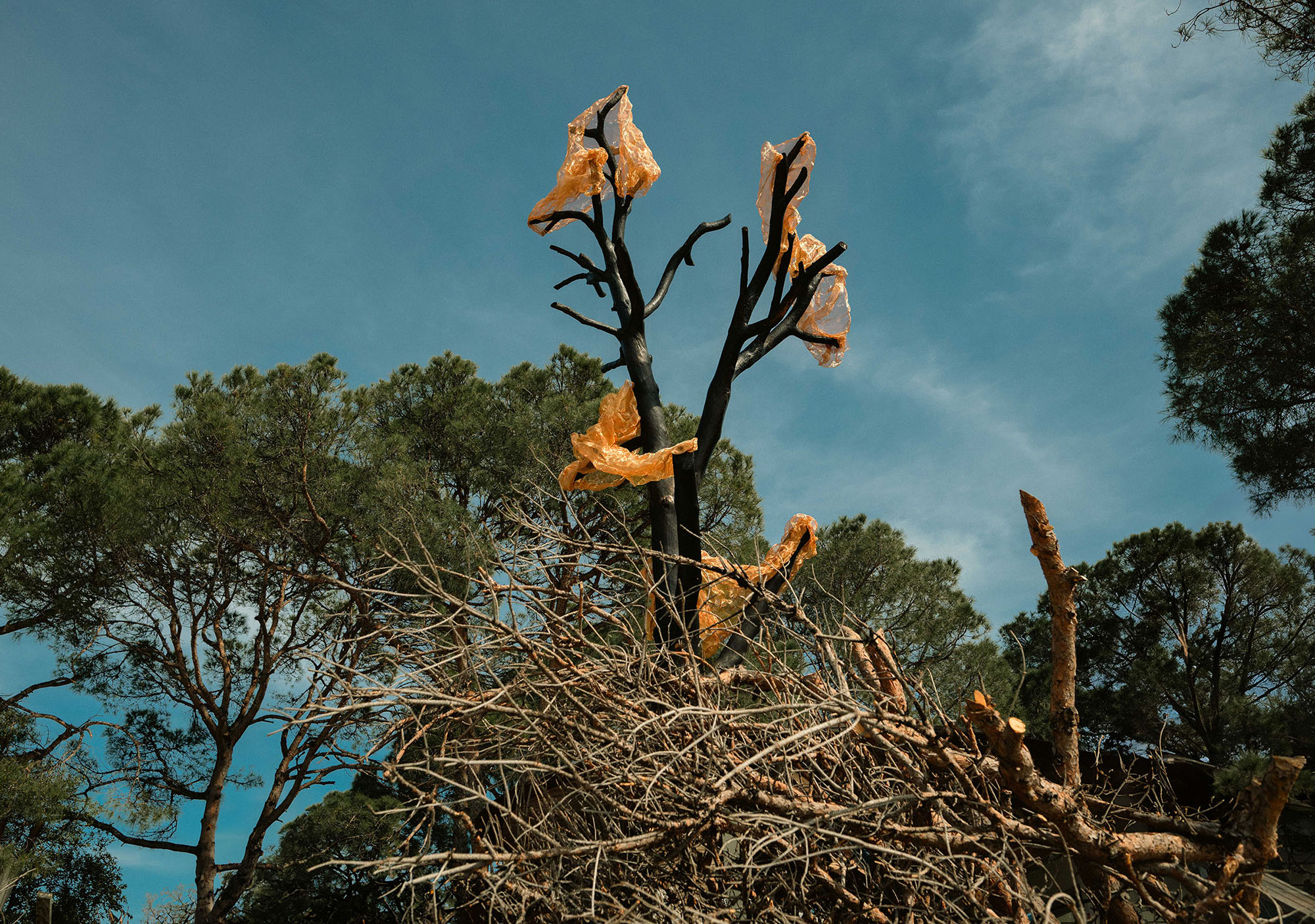

While the Greek text describes the Itamos as a "rare variety of fir" (ελάτης), in botanical terms, the Itamos is specifically the European Yew (Taxus baccata). It is famous for its longevity and its historical association with Greek mythology (it was dedicated to the Erinyes).